Table of Contents
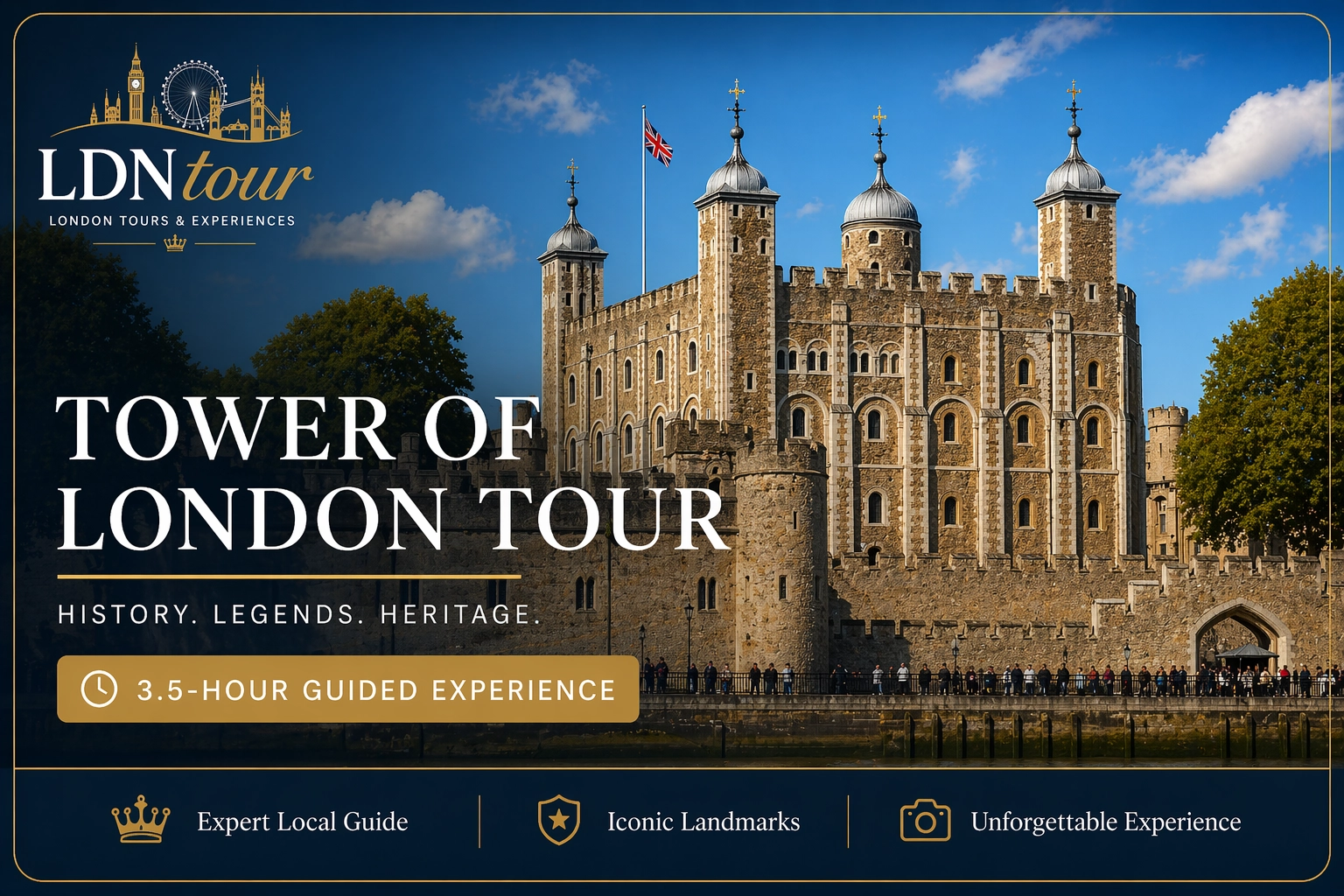
If Westminster Abbey is the first great historic interior we recommend in Britain, then the Tower of London is the next essential step.
For many Londoners, the Tower is a powerful symbol, but not a building that plays the same daily ceremonial role as Westminster Abbey. For visitors, however, it is one of the great must-see places in the country: fortress, palace, prison, armoury, treasury and stage for some of the most dramatic stories in English history. Historic Royal Palaces itself describes the Tower as “London’s castle – a secure fortress, royal palace and infamous prison” as well as a World Heritage Site.
This is why, in our own ranking of Britain’s great historic sites, we place the Tower immediately after Westminster Abbey. If the Abbey explains the ceremonial and sacred heart of the monarchy, the Tower explains power, protection, imprisonment, survival and royal treasure.
Why visit the Tower of London?
Because nowhere else in London compresses so much history into one place.
The Tower is not just one building. It is a whole fortified complex, layered over centuries, with towers, walls, gates, royal spaces, ceremonial traditions and one of the most famous collections in the country: the Crown Jewels, which Historic Royal Palaces says comprise more than 100 objects and over 23,000 gemstones. They have been protected at the Tower since the 1660s.
The heart of the fortress is the White Tower, begun by William the Conqueror in the late 11th century. Historic Royal Palaces calls it the “keep” at the heart of the Tower and one of the most important surviving buildings from the Norman Conquest. That makes it not only one of the oldest major stone buildings in London, but one of the clearest physical links to the beginning of Norman royal power in England.
Why this tour is worth doing with a guide
The Tower is one of those places where it is very easy to walk around and miss the structure of what you are seeing.
Without a guide, many visitors remember mainly the Jewel House and a few famous executions. With a good guide, the Tower becomes much richer: you understand how the fortress worked, how the royal and military spaces fitted together, what the Yeoman Warders actually are, why the ravens matter, how the Crown Jewels were remade after the destruction of the old regalia in 1649, and why the Tower still feels so unusually complete as a historic enclosure.
This standalone Tower tour is the fuller version of the Tower visit. If you want to combine it with a shorter City of London walk afterwards, we also offer Tower of London + City of London Walk. But if you want to focus properly on the fortress itself, this is the page you need.
Duration
The usual duration is around three to three and a half hours.
That is enough time to visit the major highlights properly without reducing the Tower to a rushed checklist. It gives space for the Crown Jewels, the fortress story, the White Tower, the walls and towers, selected historic interiors and the broader layout of the site.
What you will see
A well-structured Tower of London tour usually includes the most important parts of the complex, though the precise route depends on crowd levels, temporary route closures, accessibility needs and the pace of your group. Historic Royal Palaces advises visitors to check for route closures before visiting, and notes that parts of the site can close temporarily for conservation or operational reasons.
Typical highlights include:
- the overall fortress complex and its defensive layout
- the White Tower
- the Crown Jewels / Jewel House
- the Yeoman Warders, commonly known as Beefeaters
- the famous Tower ravens
- sections of the walls and towers
- selected royal, military and prison stories
- views towards Tower Bridge and the Thames
The Crown Jewels
For most visitors, the single biggest highlight is the Jewel House.
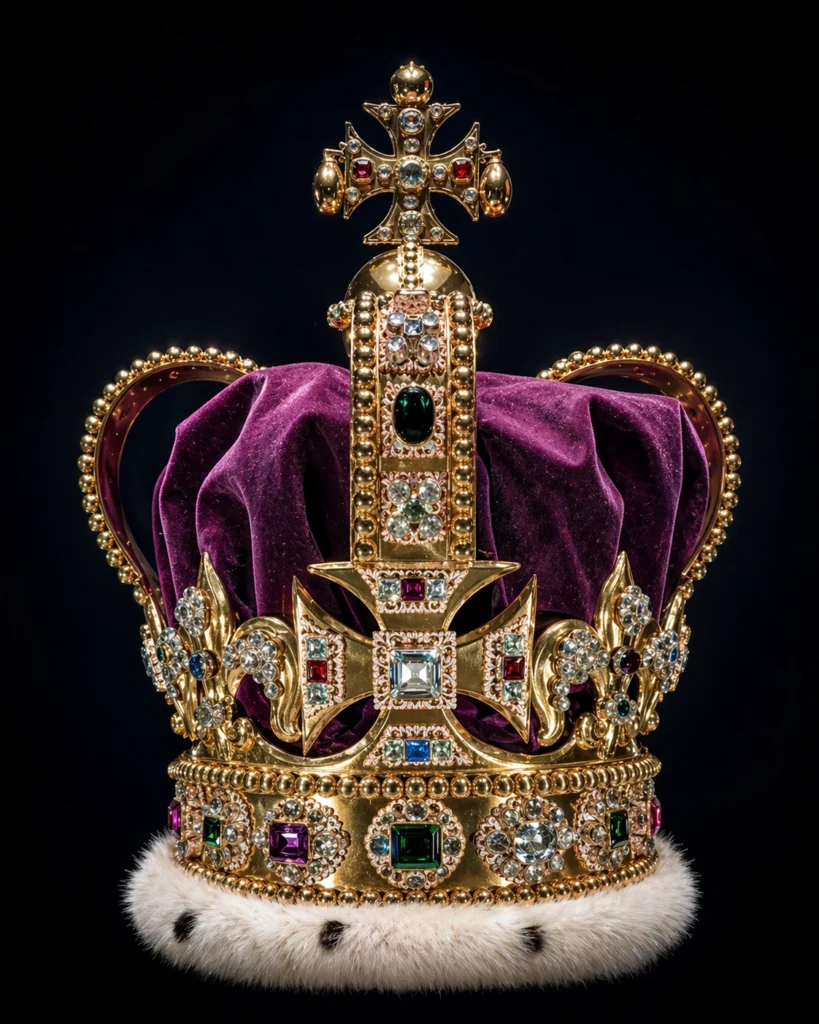
Historic Royal Palaces describes the Crown Jewels as the nation’s most precious treasures, including the sacred Coronation Regalia used during coronations. Among the most important objects are St Edward’s Crown, used only to crown a new monarch, and the Imperial State Crown, used by the monarch on major state occasions such as the State Opening of Parliament.
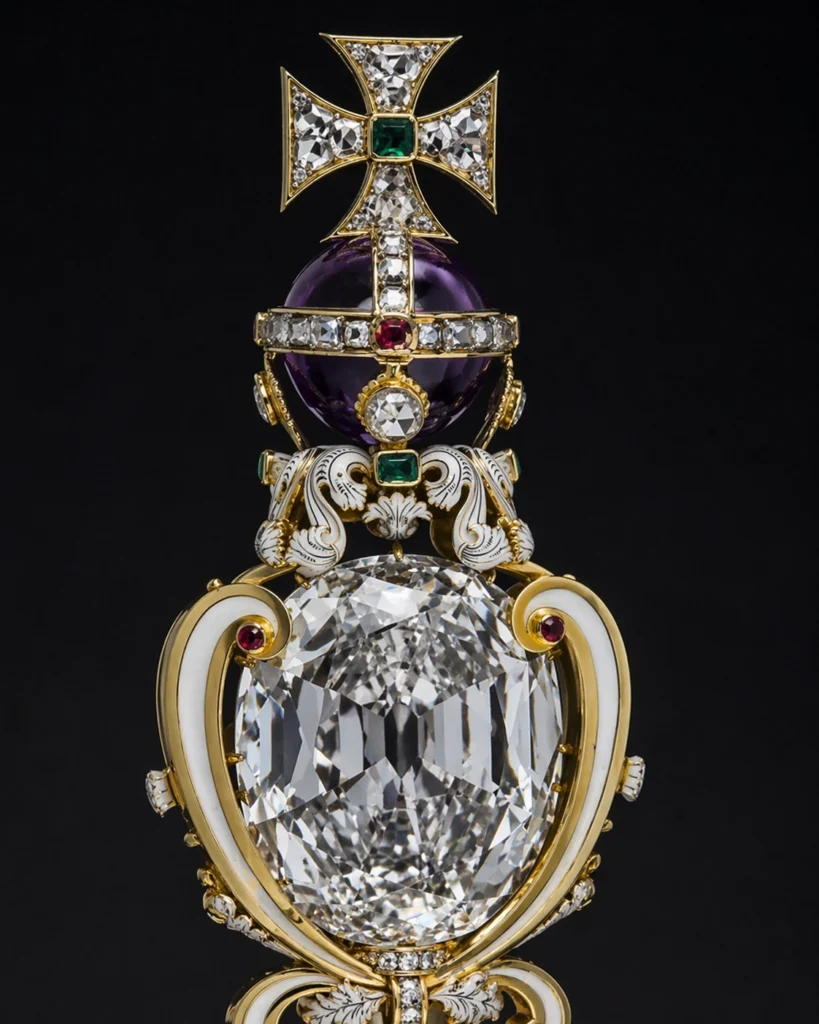
The Sovereign’s Sceptre with Cross contains Cullinan I, also known as the Great Star of Africa. Royal Collection Trust describes it as the largest colourless cut diamond in the world, weighing 530.2 carats.
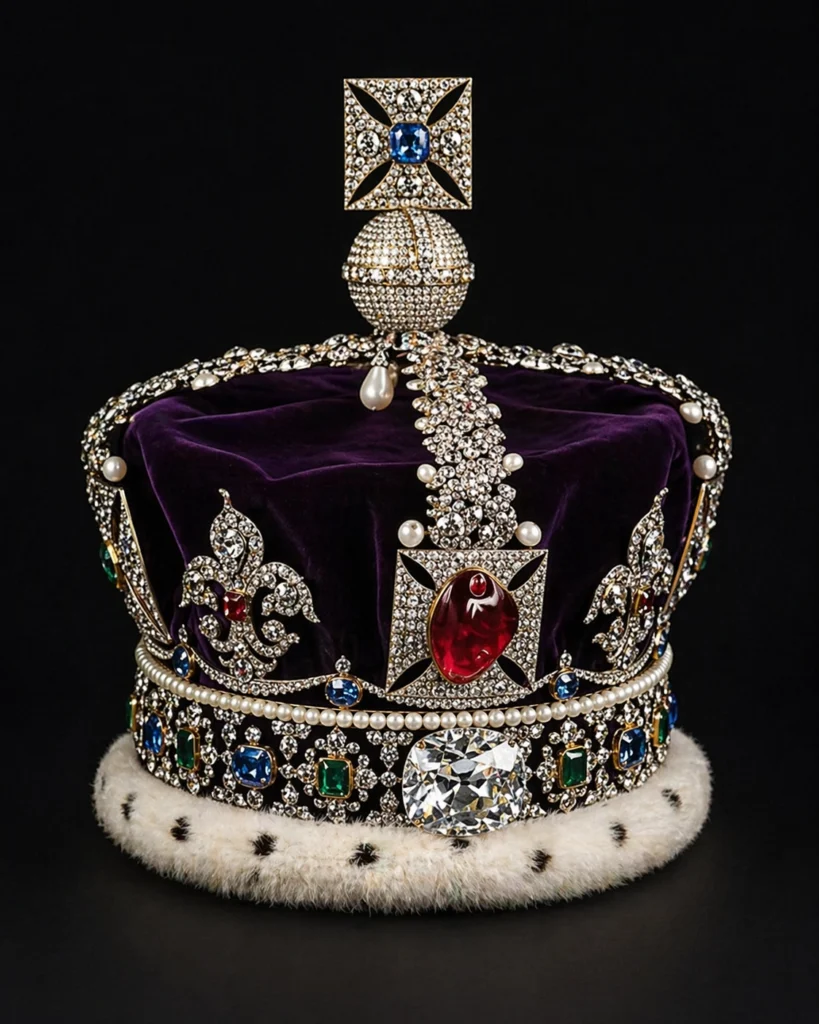
The Imperial State Crown contains Cullinan II, as well as the Black Prince’s Ruby and the Stuart Sapphire.
The Crown Jewels page from Historic Royal Palaces also highlights the Koh-i-Noor as part of the wider regalia story.
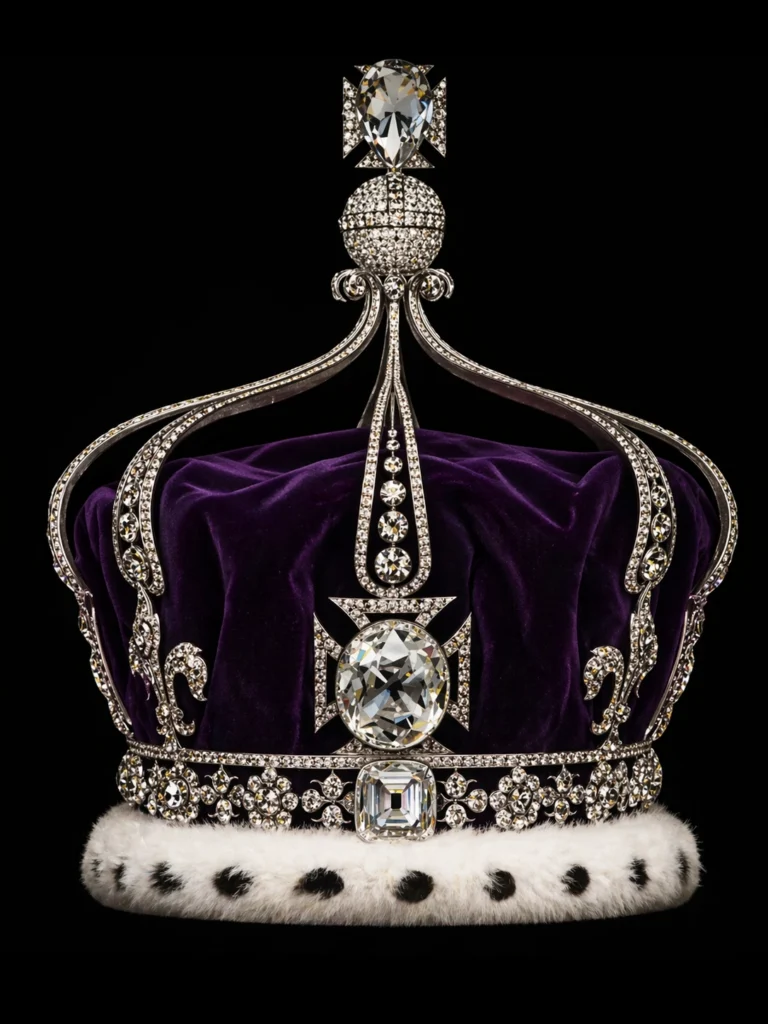
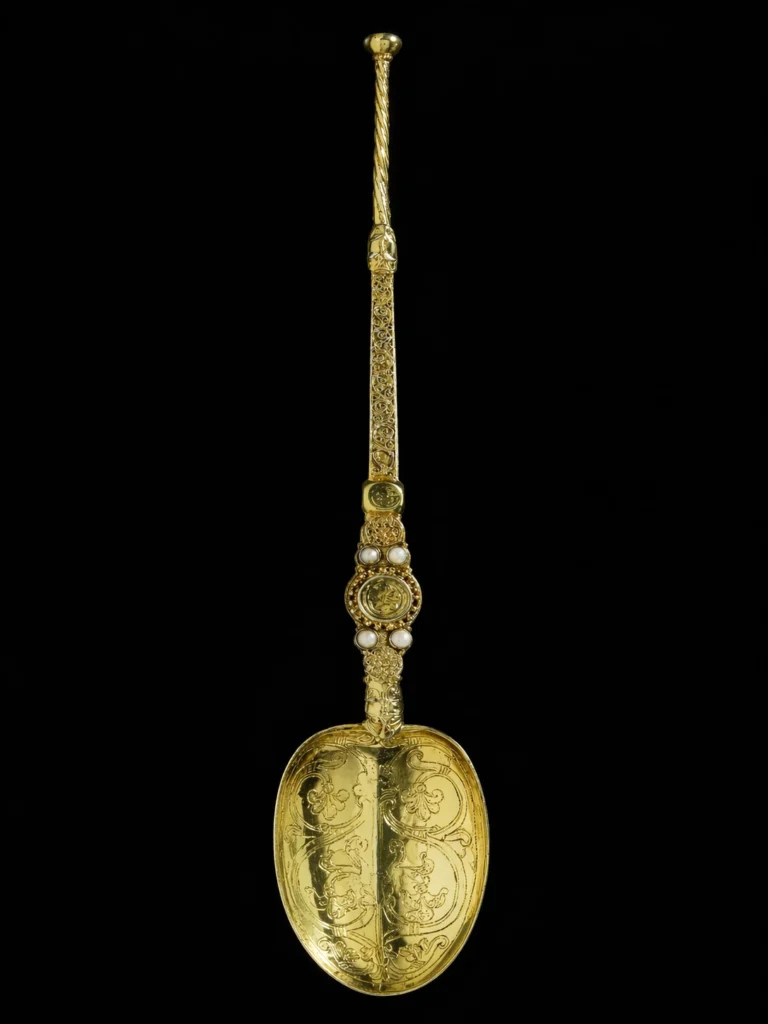
Another particularly important object is the Coronation Spoon, which Historic Royal Palaces describes as one of the oldest objects in the Crown Jewels. It dates from the 12th century and survived the destruction of the old regalia in 1649, later being returned after the Restoration for Charles II’s coronation in 1661.
So yes — if someone asks what the main thing is to see in the Tower, the answer is usually the Crown Jewels. But the visit is much better when you understand the historical and ceremonial logic around them.
Photography in the Jewel House
This point is important and should be respected without exception.
Photography is strictly prohibited in the Jewel House, where the Crown Jewels are displayed. By booking this tour, you agree to follow that rule and to respect all instructions from Tower staff and your guide. This is especially important because we do not want to place our guides in an awkward or unfair position during the visit.
On the rest of the Tower site, photography is generally possible in the usual visitor areas unless otherwise restricted on the day.
Ravens, Beefeaters and daily life inside the Tower
The Tower is not only stone walls and royal treasure. It also has living traditions.
The Yeoman Warders are one of the most recognisable parts of the site. Historic Royal Palaces explains that they were originally part of the Yeoman of the Guard, the monarch’s personal bodyguard, and that the nickname “Beefeater” is now widely used for them. The same institution also notes that the Tower still has ceremonial roles such as the Yeoman Gaoler, historically linked with prisoners and custody.
The ravens are equally famous. Historic Royal Palaces continues to maintain the tradition around them, including the role of Ravenmaster. The well-known legend says that if the ravens ever leave the Tower, the kingdom will fall. While that is legend rather than constitutional fact, it is absolutely part of the Tower’s atmosphere and identity.
Torture, imprisonment and darker history
The Tower’s appeal is not only splendour.
It is also remembered for confinement, fear, treason and state power. Historic Royal Palaces includes a “Torture at the Tower” display using replicas of historical instruments to explain this part of the Tower’s history to visitors. It is not the whole story of the site, but it is one layer of it, and for many visitors it is memorable.
Meeting point
For this tour, the standard meeting point is at the Group Ticket Office / ticket office area by the main entrance to the Tower of London. The exact pin and reconfirmed meeting instructions are sent after booking.
This is the most practical arrangement because timed entry matters, and because the Tower’s visitor entrance arrangements can sometimes vary due to conservation or operational works. Historic Royal Palaces currently notes that the Middle Tower can be closed during conservation periods and that the Middle Drawbridge may be used as the main visitor entrance instead.
Start times
The standard morning start for this tour is 10:00 am.
That timing works well across the current Tower opening pattern, because Historic Royal Palaces lists the Tower as typically opening at 9:00 Tuesday–Saturday and 10:00 Monday and Sunday. On later-opening days, the guide can begin with the outer setting, the approach to the fortress and the area around the entrance before moving inside.
The practical afternoon start times are usually:
- 2:00 pm
- 2:30 pm
- 3:00 pm
At the moment, Historic Royal Palaces shows the last timeslot on many days as 15:30, and on some winter dates as 15:00, so later starts should not be treated as standard without reconfirmation.
Accessibility
The Tower is fascinating, but it is still a fortress.
Historic Royal Palaces states clearly that the Tower has difficult stairs and passageways, including spiral staircases, that wheelchair access is limited in parts of the site, and that visitors will encounter many steps, cobbles, uneven surfaces and some low doorways. However, the Jewel House has level access, and the Tower does provide some lifts and mobility support in selected areas.
So the fairest way to explain this is:
- most visitors can manage the Tower comfortably;
- there are some historic passages and stairs;
- the narrow or enclosed parts are usually brief rather than prolonged;
- but this is not a fully step-free modern museum.
If anyone in your group has mobility concerns, please tell us in advance.
Families and children
This tour works very well for families.
The Tower has enough visual variety, movement and drama to keep children interested, especially compared with more text-heavy museum visits. Ravens, armour, walls, bridges, royal treasure and the general fortress atmosphere all help.
That said, if your group includes younger children, we may recommend a slightly shorter or more focused version, depending on attention span and pace.
Practical details
The Tower has:
- cafés and refreshment points
- toilets
- several gift shops, including the Tower of London Shop, Beefeater Shop, White Tower Shop, Ravens Shop, Crown Jewels Shop and Jewel House Shop
The main Tower shop, according to Historic Royal Palaces, is located outside the main entrance, and you do not need an admission ticket to enter it.
Ceremony of the Keys and private events
The standard daytime Tower tour does not include the Ceremony of the Keys, which Historic Royal Palaces describes as the traditional locking-up ceremony of the Tower, taking place daily from around 21:30 to 22:05, with separate advance-booked tickets. However, if you want to attend it, we can discuss that as a separate arrangement.
For special occasions, private hospitality and event-style arrangements may also be possible through the relevant channels, but those should always be handled as separate bespoke requests.
Can this be combined with other visits?
Yes.
The most natural combination is:
- Tower of London + City of London Walk
Other possible same-day combinations, depending on energy level and transport, may include:
- a river transfer afterwards
- a Thames boat ride toward Westminster
- selected pairings with other major sites as part of a longer bespoke day
But if you want the Tower properly, we usually recommend letting it remain the main focus of the half day.
Booking process
This tour must be organised in advance.
That is because:
- the Tower uses timed entry
- route closures and entrance logistics can change
- group and access needs may affect the flow of the visit
- and we may also need to arrange audio systems or additional guides for larger groups
Once you send the enquiry, we confirm the date, start time, ticket structure and guide availability, then issue the invoice.
Final thought
If Westminster Abbey gives you the sacred and ceremonial centre of Britain, the Tower of London gives you the fortress instinct of the kingdom.
It is older, harder, more defensive, more dramatic — and for many visitors, unforgettable.
Complete the enquiry form below to request your private Tower of London Tour.
FAQ
How long is the standalone Tower of London Tour?
Usually around three to three and a half hours. It is longer and more complete than the combined Tower + City Walk format.
What time should we start?
We normally recommend 10:00 am in the morning. Practical afternoon starts are usually 2:00 pm, 2:30 pm or 3:00 pm, depending on the Tower’s current last-entry pattern.
Where do we meet?
At the Group Ticket Office / main ticket office area by the Tower entrance, with the exact pin sent after booking. Entrance details may vary if conservation works affect the usual route.
What is the main highlight inside the Tower?
For most visitors, it is the Crown Jewels. Historic Royal Palaces says they include more than 100 objects and over 23,000 gemstones.
Is Cullinan I at the Tower?
Yes. It is in the Sovereign’s Sceptre with Cross, and is described as the largest colourless cut diamond in the world.
Is Cullinan II there as well?
Yes. It is in the Imperial State Crown, alongside the Black Prince’s Ruby and the Stuart Sapphire.
Is photography allowed in the Crown Jewels section?
No. Photography is strictly prohibited in the Jewel House. By booking this tour, you agree to follow that rule and all staff instructions.
Are there ravens at the Tower?
Yes. The ravens are a famous and still-living part of Tower tradition, and the site maintains a dedicated Ravenmaster role.
Are the Beefeaters still there?
Yes. The Yeoman Warders still form part of the Tower’s living ceremonial identity.
Is the Tower accessible for wheelchair users?
Only partly. Historic Royal Palaces says access is limited in parts of the Tower because of stairs, spiral staircases, cobbles and uneven surfaces, although the Jewel House has level access.
Are there cafés and shops inside?
Yes. There are cafés and several shops, including the main Tower shop, Beefeater Shop, Ravens Shop and Jewel House Shop.
Is the Ceremony of the Keys included?
No. It is a separate evening event with separate ticketing and advance booking.
Can this tour be combined with a City walk?
Yes. We offer that as a separate product: Tower of London + City of London Walk.