Table of Contents
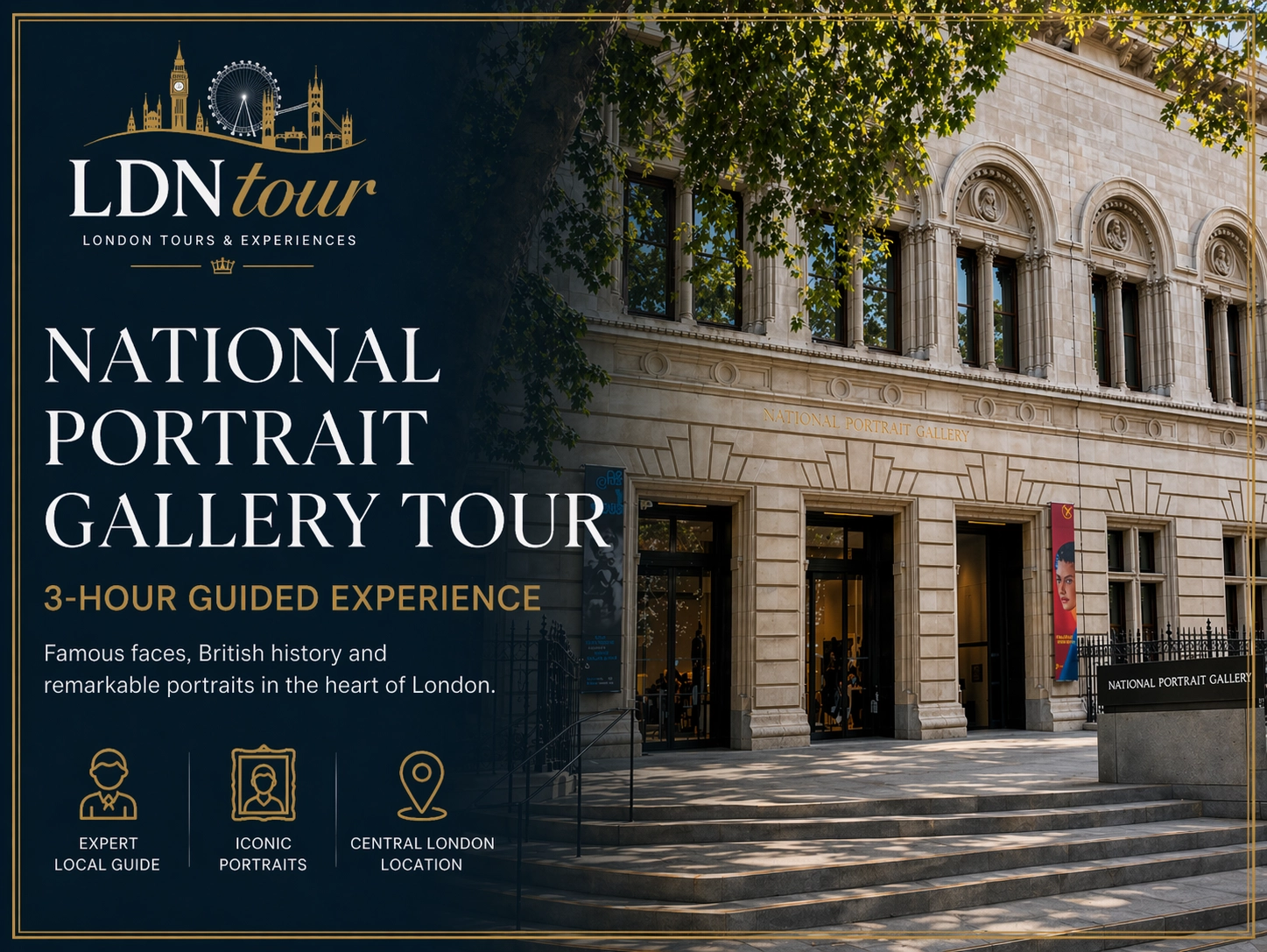
The National Portrait Gallery is one of the most distinctive museums in Britain.
It is not simply another art gallery. It is, in effect, a visual history of Britain told through faces. The Gallery’s stated purpose is to promote, through portraits, the appreciation and understanding of the people who have made and are making British history and culture, and it holds the most extensive collection of portraits in the world. Founded in 1856, it is a museum with a very clear idea: not just art for art’s sake, but portraiture as a way of understanding the country itself.
That is why this tour is so special.
If the National Gallery is where you go to understand the great development of European painting, the National Portrait Gallery is where you go to understand Britain through the people who shaped it. It is more intimate, more biographical and in many ways more narrative.
Why this gallery matters
The National Portrait Gallery is especially powerful because portraiture changes the way visitors look.
In a painting gallery, people often focus on style, colour, technique and beauty. In a portrait gallery, they also ask different questions:
Who is this person?
Why were they painted this way?
What did they want the viewer to believe?
How did power, fashion, religion, ambition or fear shape the image?
That is why this museum works so well for visitors who enjoy history as much as art.
And this is also why, in our own recommended order of major London cultural visits, we place the National Portrait Gallery directly after the National Gallery and before the British Museum. One very efficient option for serious visitors is to combine the National Gallery and the National Portrait Gallery in a single extended guided session, because the two institutions are immediate neighbours, both free to enter, and together create an exceptionally strong art-and-history half day. The National Gallery and National Portrait Gallery are both on Trafalgar Square / St Martin’s Place.
Why this gallery is different from the National Gallery
Although the two institutions sit side by side, they do very different things.
The National Gallery is broader and more canonical in purely painterly terms. The National Portrait Gallery is more concentrated around biography, identity, monarchy, politics, literature, fame and national memory. It is also more compact in feel. The Collection is displayed chronologically, beginning with the Tudors on Floor 3 and ending with contemporary portraits on Floor 0, which gives the visit a strong sense of movement through time.
That makes it one of the few museums where a visitor can genuinely feel they are moving through the story of Britain in human form.
Why the Tudor section matters so much
The most famous and, for many guests, the most immediately rewarding part of the Gallery is the Tudor material.
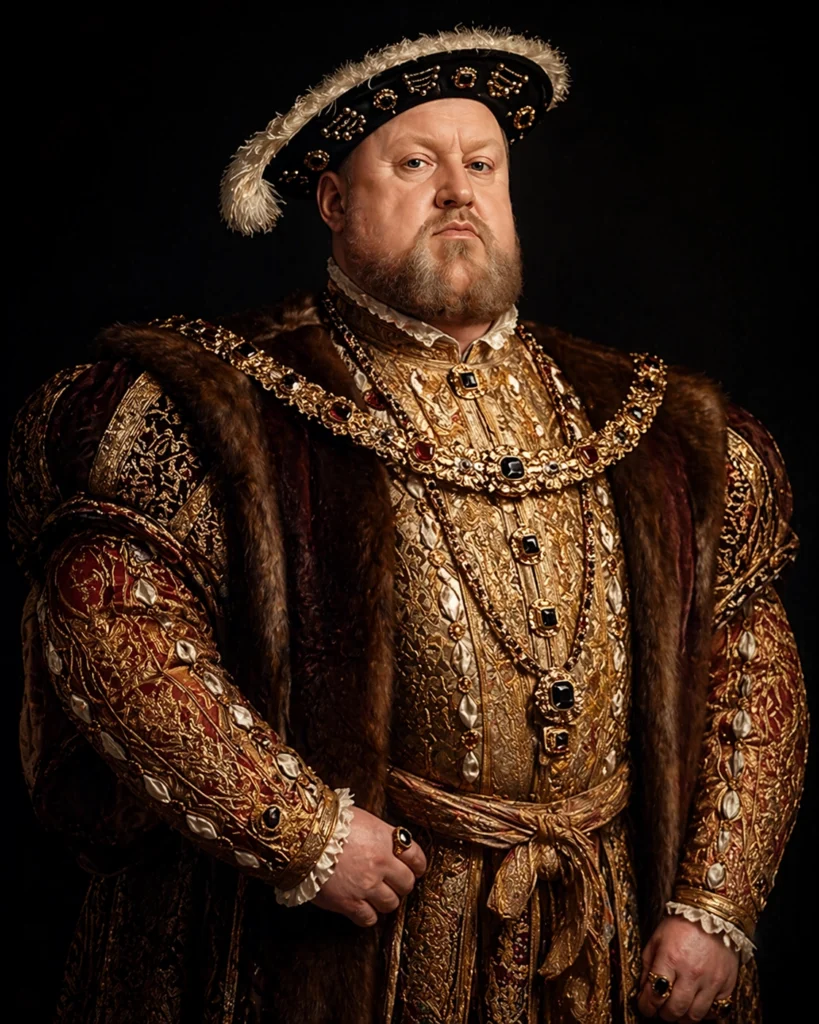
That is because Henry VIII remains one of the most famous monarchs in British history. His marriages, his break with Rome, his children, and the long shadow he cast over British monarchy still dominate popular understanding of the Tudor period. In the National Portrait Gallery, those stories become visible in an unusually direct way.
This is where visitors can meet the Tudor world face to face:
- Henry VIII
- Edward VI
- Mary I
- Elizabeth I
- and the wider visual culture around that dynasty
The Gallery’s collection also includes some of the great iconic images of that period, such as portraits of Elizabeth I, including the celebrated Ditchley Portrait.
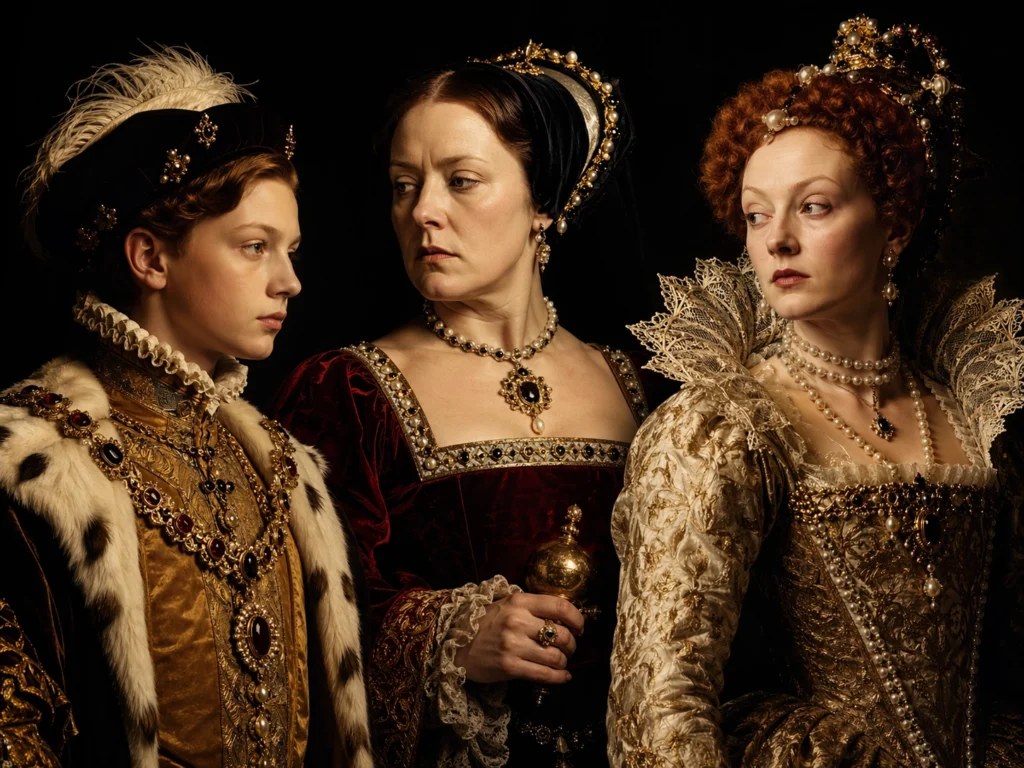
That is one reason this gallery often feels more dramatically historical than visitors expect. It is not only a portrait museum. It is a theatre of dynasties.
Shakespeare and the problem of likeness
Another reason visitors care so much about this museum is Shakespeare.
The National Portrait Gallery is associated with one of the most famous early images linked to him: the Chandos portrait, which is widely treated as the best-known painted likeness associated with Shakespeare, even though absolute certainty about his true appearance remains elusive. That uncertainty is precisely what makes the portrait so fascinating: it is not merely a face, but a debate about memory, authorship, fame and cultural inheritance.
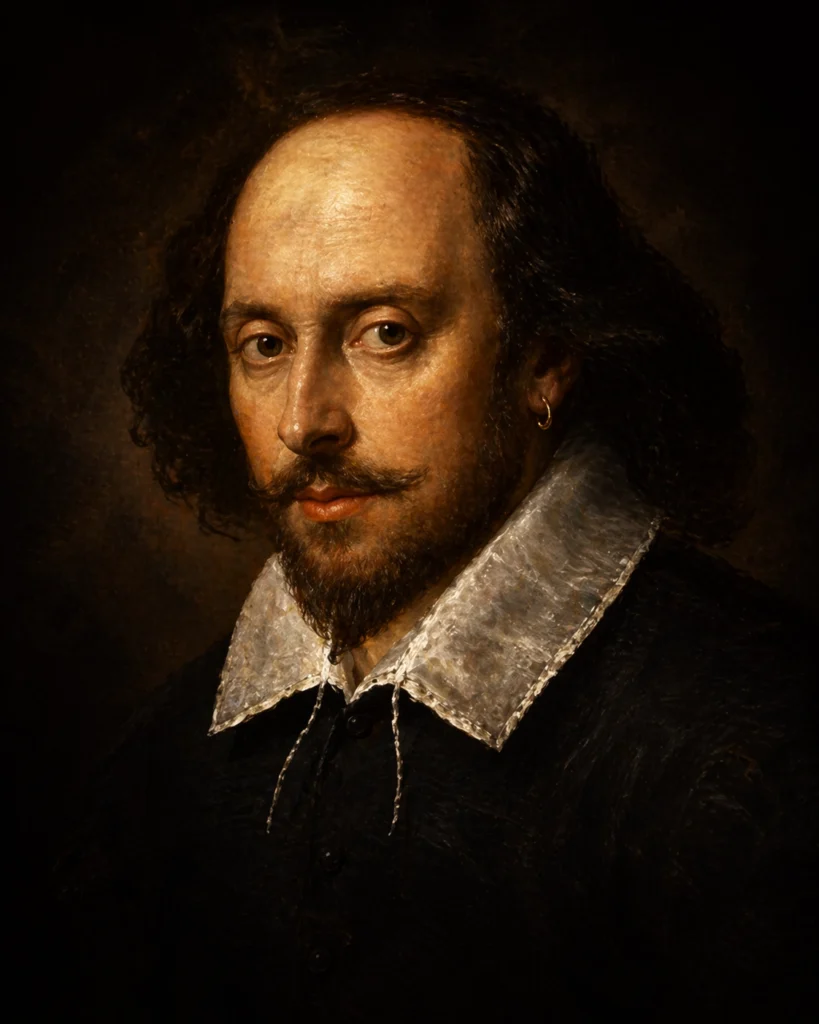
So yes — one of the great pleasures of this gallery is that it takes people everyone knows in name and makes them suddenly visible, human and open to interpretation.
Victorian Britain and later portraiture
The Gallery does not stop with the Tudors.
One of its great strengths is the way it carries the visitor forward into later Britain: Stuart, Georgian, Victorian and modern. This gives the museum far more range than first-time visitors often expect. The Victorian material is especially rewarding, because it brings together empire, industry, literature, science, politics and changing ideas of public image in a period when portraiture expanded enormously.
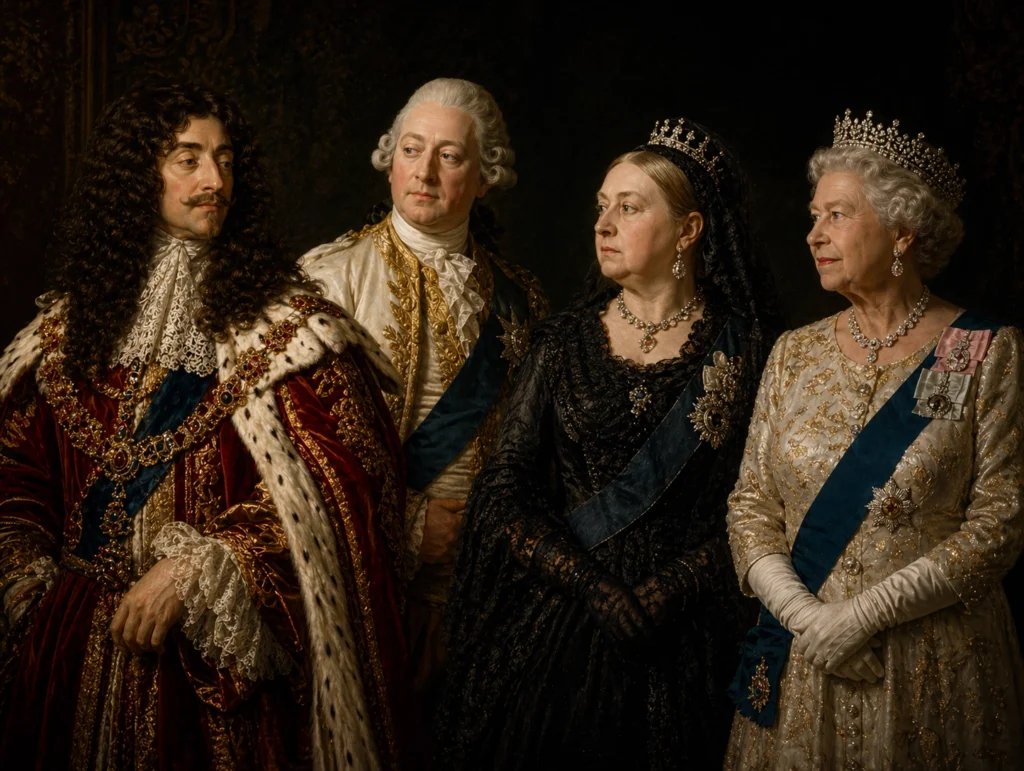
And then the collection continues into the modern world, where photography, celebrity, politics and contemporary public life all become part of the story. The Gallery describes the Collection as moving chronologically from the Tudors through to the present, with exhibitions on Floors 0 and 2.
That chronological structure is one of the reasons the museum is so satisfying with a guide.
What you will see
The exact route depends on the guide, your interests and what is on display that day, but a strong National Portrait Gallery tour often includes:
- the Tudor galleries
- Henry VIII and the Tudor dynasty
- portraits of Edward VI, Mary I and Elizabeth I
- the Shakespeare likeness tradition
- key later British figures
- Victorian portraiture
- selected modern and contemporary portraits
- a broader explanation of how portraiture worked politically, culturally and personally in Britain
Because the Gallery is both historical and artistic, a good guide helps in two directions at once: who the sitter was, and what the portrait is doing.
Important note about specific portraits
Please note that while we may mention key works and sections on this page, individual portraits can sometimes be moved, loaned, rotated or temporarily removed from display.
That means we cannot guarantee that every specific portrait named in advance will always be on the wall on the day of your visit. This is normal museum practice and applies especially to major works that may travel to exhibitions or be rehung temporarily.
So the page should be read as an introduction to the strengths of the collection, not as a legal guarantee of every individual object on a specific date.
Duration
The usual duration is around three hours.
This is enough to do the Gallery properly without turning the visit into a mental marathon. It is a more compact institution than the National Gallery, but also in some ways more concentrated, because almost every room asks the visitor to process biography, symbolism, politics and visual language at once.
For that reason, we usually recommend doing it in the morning where possible.
Start times
The National Portrait Gallery states that it is open daily from 10:30 to 18:00, with Friday and Saturday until 21:00, and that last entry is 17:30 (or 20:30 on Friday and Saturday).
For private guiding, our preferred timings are:
- 10:30 am — morning slot
- 2:00 pm
- 2:30 pm
- 3:00 pm — afternoon slots
Meeting point
For practical purposes, we normally arrange meeting at the By the Sir Henry Irving Statue opposite the main entrance, and we send the exact pin when the booking is confirmed.
Entry and exhibitions
General admission to the National Portrait Gallery is free. There is a charge for some exhibitions. The Gallery recommends advanced free booking to guarantee entry and receive updates before your visit.
If there is a paid exhibition during your visit, we can discuss it with you in advance. Not all temporary exhibitions are equally suitable for guided touring, and in some cases the best arrangement is:
- guided visit through the main collection first
- then self-guided entry to the exhibition afterwards
That can work very well.
Group size
This is a more compact and more room-based museum than the National Gallery.
Because of that, we usually recommend a smaller group size for the best experience:
- up to 10 people: one guide
- above 10 people: usually better to split the group
That is not because of a single published prohibition. It is because portrait galleries work best when people can approach works closely, hear properly and move through smaller rooms without crowding the walls.
Tour Guide Systems
For groups of six or more, we strongly recommend our Tour Guide Systems.

In a portrait gallery, sound clarity matters even more than people expect. The rooms are more intimate, the narrative is denser, and if the group is larger, an earpiece system makes the whole visit much more comfortable.
We supply our own systems and can add them to your invoice.
Accessibility
The Gallery states that:
- all entrances have step-free access
- wheelchairs can be borrowed free of charge from the main entrance via Ross Place
- lifts are available in multiple locations
- the restaurant, café and shops are accessible
- the collection is displayed across Floors 0, 1, 2 and 3
- accessible toilets are available on Floors -2, -3 and 4
- a Changing Places toilet is available on Floor -2.
This makes the National Portrait Gallery one of the stronger central London museums for wheelchair users and visitors with access needs.
Restaurant and facilities
One especially useful practical detail is the food offering.
The Gallery’s official access page lists:
- The Portrait Restaurant by Richard Corrigan
- Larry’s Café Bar
- Audrey Green Café
- The Portrait Pavilion.
The main restaurant, The Portrait Restaurant, is the one associated with the upper level and the famous outward views. It is a very good option if you would like to finish your visit with lunch in the building. If you want a table with a particularly strong view, it is sensible to reserve in advance.
Who this tour is for
This tour is particularly good for:
- visitors who enjoy British history
- guests with a special interest in monarchy and dynasties
- people who already like the National Gallery and want the natural next step
- returning visitors who want a museum that feels more narrative and less encyclopaedic
- school-age children, teenagers and students, especially if they are already studying British history
- adults who enjoy biography, politics, literature and public image
It can be more rewarding for some school groups than a general painting museum, simply because the historical connection is so direct.
Why we place it after the National Gallery
On our site, we place the National Portrait Gallery after the National Gallery and before the British Museum for a reason.
For many serious visitors, one of the best uses of a guide is to combine:
- the National Gallery
- and the National Portrait Gallery
in one longer cultural session.
Why does that work?
- they are next to each other
- both are free
- one gives you the development of painting
- the other gives you Britain through portraiture
That combination can be intellectually demanding, yes, but also very efficient and extremely rewarding if you have the energy for it.
After that, the British Museum usually comes next in our sequence, because it is broader, heavier and more encyclopaedic still.
Guides
The National Portrait Gallery is one of those places where not every guide is equally strong.
A broad London guide can usually do a decent National Gallery tour. A really good National Portrait Gallery tour is rarer. This museum needs someone who is comfortable not only with art, but also with British dynastic history, politics, literature and iconography.
That is why we recommend booking this tour as early as possible if you want a genuinely strong specialist guide.
Booking process
This tour should be arranged in advance.
That is because:
- we want to match you with the right guide
- you may wish to combine it with the National Gallery
- you may want a paid exhibition added
- larger groups may require splitting or Tour Guide Systems
Once you send the enquiry, we confirm the date, start time and guide availability, then issue the invoice.
Final thought
The National Portrait Gallery is one of the most intellectually enjoyable museums in London.
It is elegant, compact, layered and unexpectedly rich. It does not simply show portraits. It shows Britain looking back at itself.
If you want a London museum that combines art, history, personality and national memory in one place, this is one of the strongest choices you can make.
Complete the enquiry form below to request your private National Portrait Gallery Tour.
FAQ
Is entry to the National Portrait Gallery free?
Yes. General admission is free, though some temporary exhibitions are paid.
How long does the tour last?
Usually around three hours.
What time does the Gallery open?
The Gallery states that it opens daily from 10:30.
What are your standard tour start times?
Usually 10:30 am, 2:00 pm, 2:30 pm or 3:00 pm.
Where do we meet the guide?
By the Sir Henry Irving Statue opposite the main entrance.
Are all entrances step-free?
Yes. The Gallery states that all its entrances have step-free access.
What is the most famous section of the Gallery?
For many visitors, it is the Tudor section, especially the portraits connected with Henry VIII, Elizabeth I and the wider Tudor dynasty.
Does the Gallery have Shakespeare?
It is associated with the Chandos portrait, one of the most famous painted likenesses linked to Shakespeare.
Are all the portraits always on display?
No. Individual portraits can sometimes be loaned, rotated or temporarily removed, so specific works cannot be guaranteed on every date.
Can this tour be combined with the National Gallery?
Yes — and that is often one of the most efficient and rewarding combinations in London.
Is there a restaurant in the Gallery?
Yes. The Gallery lists The Portrait Restaurant by Richard Corrigan as part of its eat and drink offering.
Should larger groups be split?
We usually recommend splitting groups above 10 people because the Gallery is more compact and room-based than the National Gallery.
Do you recommend Tour Guide Systems?
Yes, especially for groups of six or more.